You guys wanna check someone’s Instagram stories without your name landing on their viewer list, but every “anonymous viewer” site looks like it was built to steal your password. Honestly? That instinct is worth trusting, dear.
A large share of these sites exist for exactly that purpose. So let me be straight with you: using an Instagram story viewer IS safe when the tool is legit. The problem? Most viewer sites aren’t.
In this guide I’ll show you how to tell the difference in under a minute: what shady sites actually do with your data, why “private viewer” promises are always lies, and what a safe viewer really looks like.
And honestly, guys, this is exactly why I built anonimogram in the first place. I was sick of landing on viewer sites that turned out to be credential traps with a search bar slapped on top.
I wanted one honest tool that lets you browse freely, tells you plainly what it can’t do, and never asks for your password. That’s the whole mission here.
The Short Answer
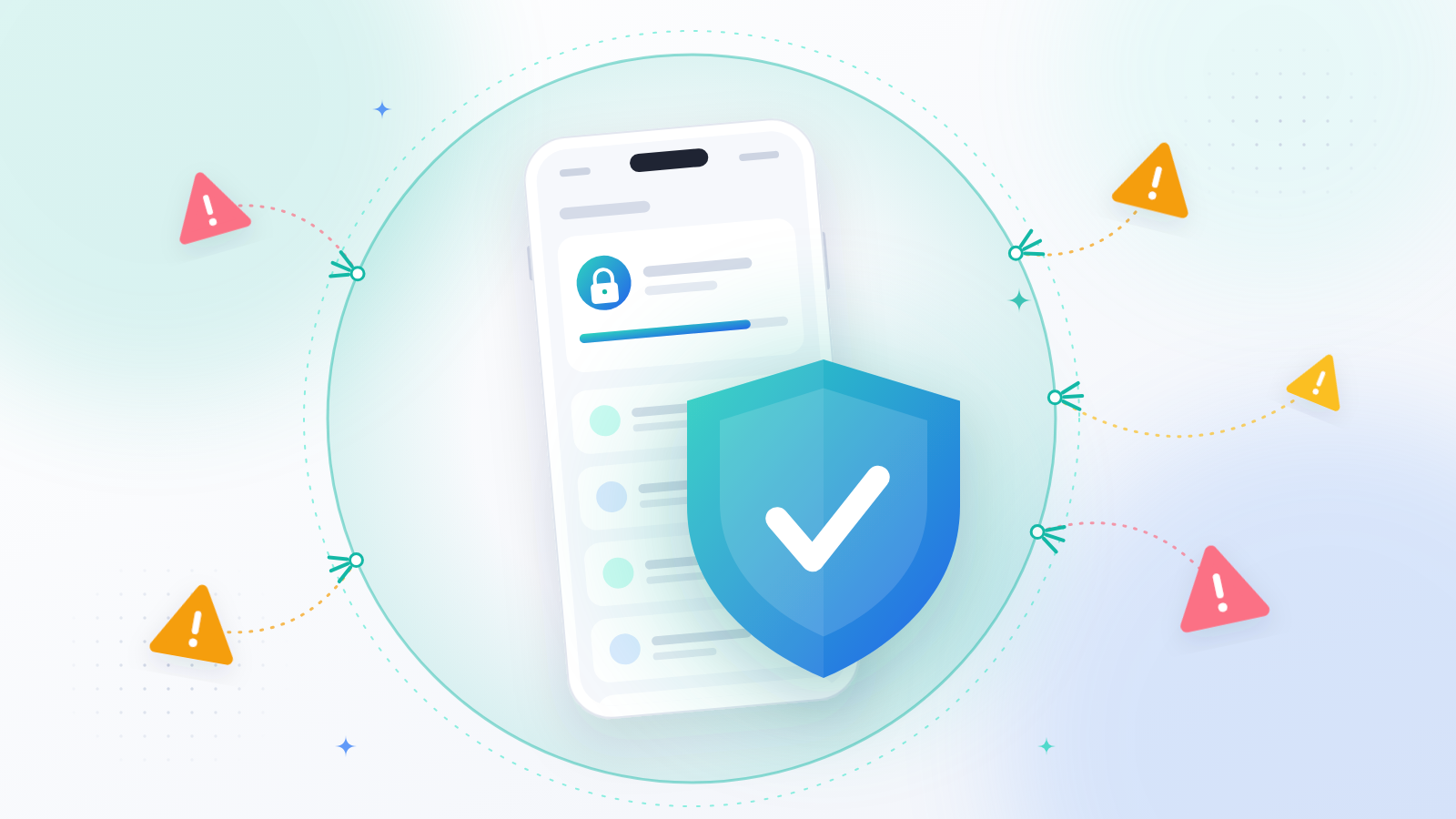
Here’s the thing, guys. An Instagram story viewer is safe when it passes three simple tests: it shows you public content immediately without demanding anything first, it never asks for your Instagram password on its own pages, and it never promises to unlock private accounts.
Fail even one of those tests and you’re not looking at a tool. You’re looking at a trap. And real talk? Most viewer sites fail at least one.
What Shady Viewer Sites Actually Do With Your Data
Look, nobody in this niche talks about this, so I will. “Anonymous” has two completely different meanings, and shady sites are counting on you confusing them. Stick with me here.
Trackers and cookies: the real price of “free”
Let me explain something, guys. Running a viewer site costs real money: servers, bandwidth, and constant work to keep Instagram from blocking automated requests. So if a site is free and barely shows you any ads, ask yourself: how are they paying those bills?
The answers aren’t reassuring, honestly. Aggressive ad networks, analytics trackers, fingerprinting scripts that build a profile of your device across the web. Here’s what I do personally: before trusting any viewer, I open their privacy policy and check what they collect.
When I was writing anonimogram’s own privacy policy, I made myself list every single thing we collect and why. No vague “we may share data with partners” nonsense, dear. If I can do it for my own tool, there’s no excuse for anyone else.
A legit site lists its trackers plainly. A shady one? Either no privacy policy at all, or data-sharing buried in vague language. And as a habit, run an ad-blocker when you’re testing unfamiliar viewer sites.
Trust me on this one, it neuters the worst of the tracking layer.
“We never log anything”: claim versus reality
Here’s a sentence every viewer site should print but almost none does: you can be anonymous to the account owner without being anonymous to the site operator. Every website you visit sees your IP address. That’s just how the internet works, guys.
So the honest question isn’t “do they see me.” It’s “what do they store, and for how long?” A trustworthy viewer states its logging plainly in its privacy policy: what’s kept, for how long, and why.
But a site that loudly promises “100% anonymous, zero logs, military-grade privacy” while publishing no privacy policy? They’re selling you a feeling, not a fact. Marketing claims are free, dear. Data-retention policies are not.
How credential harvesting actually works
Now this is the most dangerous trap, and honestly also the most polished one: a “Log in with Instagram to continue” screen that looks exactly like Instagram’s real login. Same colors, same layout, same wording. But listen, it’s not Instagram.
It’s a copy sitting on the scammer’s domain, and every keystroke goes straight to them. Spotting it takes five seconds, guys. Look at the address bar. A real Instagram login happens on instagram.com and nowhere else. Read the domain character by character.
Scammers love lookalike domains, so never land on a login form by clicking through from a viewer site. If any viewer puts a username-and-password form on its own pages, however official it looks, they’ve told you everything you need to know about them.
The “Private Viewer” Lie, Debunked
Search for story viewers long enough and you’ll meet the bigger lie: “Enter any username, even private accounts!” Then comes a progress bar, a spinning loader, and then… a demand.
Let me be blunt about the technology, guys, because I’ve looked into how this actually works. Instagram protects private content with server-side access controls. The content is only ever sent to accounts the owner has approved.
There’s no URL trick, no secret viewer API, no backdoor any third-party website can exploit. Any site claiming otherwise isn’t clever. They’re lying, and the lie IS the business model.
The funnel always runs the same way.
Trust me, I’ve seen it a hundred times: you enter a username, a fake progress bar “decrypts” something, and just before the big reveal you must “verify you’re human”: complete a survey, install an app, or hand over your login.
The content never appears because there was never any content to show. The survey pays the site owner a commission, the app install drops adware, the login hands them your account.
And here’s what I want you to watch out for too. Sites advertising “no verification, no survey!” as their headline feature. A legit viewer doesn’t need to promise this, guys. It just shows you the content immediately, and the absence of demands speaks for itself.
When a site markets the absence of a trap, it’s usually running one.
How Scam Viewer Sites Actually Make Money
Once you see how these shady sites actually make money, dear, their tricks become ridiculously easy to spot. Let me explain. Here are the four common schemes:
1. Credential harvesting
The most dangerous trap: a fake “log in with Instagram to continue” form that isn’t Instagram at all. It’s a pixel-perfect copy designed to steal your username and password.
Once you submit, attackers can take over your account, lock you out, or use it for spam. Real viewers never ask you to type your Instagram password into their own page.
2. The endless “human verification” loop
You search a username, a progress bar fills, then: “Verify you’re human: complete one offer to unlock.” The offers are paid surveys, app installs, or free-trial signups that earn the site owner a commission. The content never unlocks because there was never any content.
Sound familiar? If you see this pattern, nothing behind it is real.
3. Fake “private profile unlock” promises
“Enter any username, even private accounts!” No legit tool can do this, full stop.
Private content is protected by Instagram’s own access controls, and any site claiming to bypass them is either lying to farm ad impressions or setting you up for one of the traps above.
4. Malware downloads
Some sites push “viewer apps” or browser extensions bundled with spyware or adware. A web-based viewer has no reason to ask you to install anything, guys. If a download starts that you didn’t request, treat the site as hostile.
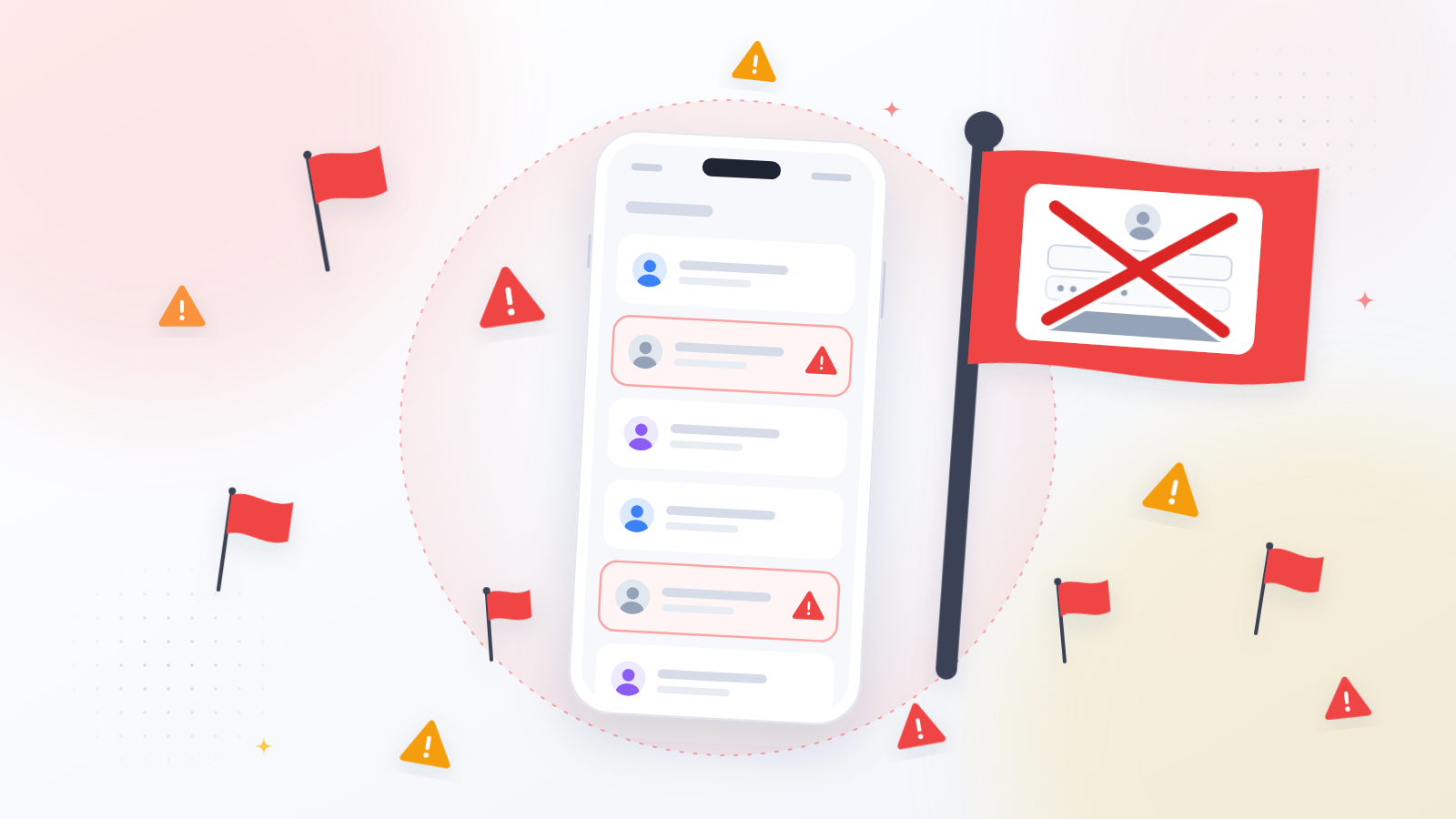
7 Red Flags to Watch For
- It asks for your Instagram password on a page that isn’t instagram.com. Your credentials go straight to strangers. Honestly, this is the single most dangerous red flag on the list.
- It promises access to private accounts or “hidden” content. Technically impossible. The promise itself proves they’re dishonest.
- Survey walls, “complete an offer,” or human-verification loops before showing anything. The content doesn’t exist, guys. You’re the product being sold to advertisers.
- It requires downloading an app or extension to view content. Web-based viewing needs no install. Unrequested downloads are a malware vector.
- No privacy policy, terms, contact page, or company identity anywhere. No accountability means no reason to trust them with anything.
- Aggressive pop-ups, redirect chains, or fake “virus detected” warnings. That’s the ad-fraud playbook, not a tool.
- A brand-new domain making over-the-top claims. Check the domain’s age if you’re unsure. Hype plus zero reputation is a bad combo.
One red flag is enough, guys. Legit tools don’t need any of these tactics.
What a Legitimate Viewer Looks Like
A safe viewer is boring in the best way, honestly. You enter a username, public content appears, and nothing is demanded of you. It states plainly what it can and can’t do, including telling you when something genuinely needs a login instead of pretending otherwise.
It’s got real legal pages (privacy policy, terms, contact), a consistent brand, and no credential forms disguised as Instagram.
That’s the standard I built anonimogram to, guys: public profiles, posts, Reels, and Highlights viewable with no account at all, private accounts never accessible, and every limitation stated up front instead of hidden behind a paywall of surveys.
In my experience building this, I’ve run hundreds of profile lookups through our own tool while testing, and the rule I set on day one never changed: if a feature needs your password or a survey to work, it doesn’t ship.
That’s genuinely rare in this niche, and now you know why most sites feel so different.
What About Logging In? Is That Safe?
Some viewers, including anonimogram, offer an optional login so you can watch Stories, which Instagram only serves to authenticated sessions. Here is the honest breakdown: when you use this option, you authenticate with your Instagram account itself.
The site does not ask you to type your Instagram password into its own forms or pages.
That said, stay sharp as a general rule: only ever enter Instagram credentials on instagram.com or in Instagram’s official app. If any third-party site, ours or anyone else’s, ever presents its own username and password fields for Instagram, do not use them.
And remember the trade-off: once logged in, your Story views are counted normally and visible to the poster, exactly as in the app. Anonymous viewing applies to the no-login browsing, not to logged-in Story views.
Already Typed Your Password Into a Shady Site? Act Now
If you’ve already entered your Instagram credentials on a site you now distrust, treat it as compromised and move fast, guys. Most account takeovers happen within hours:
- Change your password immediately. Do it in the official Instagram app or on instagram.com, not through any link that suspicious site gave you.
- Turn on two-factor authentication (Settings → Accounts Center → Password and security). An authenticator app beats SMS codes, trust me.
- Check login activity (Settings → Accounts Center → Password and security → Where you’re logged in) and end any sessions you don’t recognize.
- Revoke third-party access. Check Settings → Apps and websites for anything you didn’t authorize and remove it.
- Verify your email and phone number on the account are still yours; attackers often swap these first to lock you out.
And going forward, here’s my rule for you: the only pages that should ever receive your Instagram password are instagram.com and the official app. Bookmark that standard and you become effectively immune to the most damaging viewer scam out there.
Frequently Asked Questions
Can a story viewer hack my Instagram account?
A legit viewer can’t, guys. It never receives your credentials. The risk comes from fake login forms on scam sites. Never type your Instagram password anywhere except instagram.com or the official app.
Why do so many viewer sites ask for surveys?
Because surveys pay them per completion, honestly. It’s a revenue model built on content that usually doesn’t exist. Real viewers monetize with normal advertising, not hostage-taking.
Do story viewer sites track me even if I never log in?
They can see your IP address and may run trackers or cookies. That’s true of every website, guys. What matters is what they store and disclose. Check the site’s privacy policy for its data-retention terms, and use an ad-blocker when trying unfamiliar viewers.
And remember the key distinction I explained above: a site can keep you anonymous to the account owner while still logging your visit on its own servers. “Anonymous viewing” and “no logging” are two different promises. Make sites earn both.
Is it safe to view public profiles without an account?
Yes. Viewing public content without logging in involves no credentials, no downloads, and no account linkage. There’s nothing for a bad actor to steal in that flow.
Can a viewer show me a private account’s stories?
No legit one can, and any site claiming otherwise is lying, guys. Instagram’s privacy controls are enforced on its own servers. No third-party website can bypass them. Sites advertising private-account access are running one of the scam funnels I described above.
A site promises “no verification, no surveys”: is that a good sign?
Not by itself, honestly. Legit viewers don’t advertise the absence of traps. They simply show content immediately with nothing demanded. Treat “no survey!” marketing as neutral at best.
Judge the site by what it actually does in the first ten seconds, not by what its headline claims.
I completed a survey on a viewer site: am I at risk?
Probably not hacked, but you likely handed over personal data (email, phone number) and earned the site owner a commission for nothing. Expect more spam, dear. The bigger risk? If the “survey” asked for any password or payment details, treat those as compromised.
Does using a viewer violate Instagram’s rules for my account?
Browsing public content without an account involves no account at all, so there is nothing to penalize. If you connect your own login through a viewer, you are using your own session normally.
Conclusion
Here’s the bottom line, guys: Instagram story viewers are safe when they’re honest: public content, no credential tricks, no impossible promises. The dangerous ones all share the same playbook: fake logins, survey walls, and “private unlock” fantasies. And that privacy audit above?
It gives you something no competitor offers: a way to judge a viewer by its data practices, not its marketing. Learn the red flags once and you’ll never fall for them. I built anonimogram to be the tool I wished existed when I started.
One that helps you browse freely and keeps you clear of every trap I just described above. Try anonimogram and judge for yourself: no account needed, limitations stated plainly.
Leave a Reply